Uncategorized May 25, 2025

Declutter Your Digital Life: Spring Cleaning Your Online Spaces

Here’s how you can start clearing out the digital chaos:

Clean Up Your Email Inbox

Emails can quickly pile up, especially if you’re subscribed to multiple newsletters or get bombarded with promotions. Here’s how to get it under control:

  • Unsubscribe from unnecessary emails: Use tools like Unroll.me to quickly unsubscribe from multiple mailing lists. If you prefer to do it manually, take a few minutes to unsubscribe from newsletters you don’t read anymore.
  • Organize your inbox: Create folders or labels for different categories (e.g., work, personal, bills) and start sorting old emails. Archive or delete messages you don’t need.
  • Set up filters and folders: Many email providers allow you to create filters so that emails are automatically sorted into folders as they come in. This reduces the clutter and keeps your inbox manageable.

Declutter Your Desktop

Your computer desktop is often the first place to accumulate digital clutter. From random files to messy shortcuts, it can become overwhelming quickly. Here’s how to tidy up:

  • Organize your files into folders: Instead of saving documents, photos, and screenshots directly to your desktop, create folders for categories like “Work,” “Personal,” and “Projects.” This will make it easier to find things when you need them.
  • Delete or archive old files: Take time to go through your desktop files and remove anything that’s no longer needed. For documents you want to keep but don’t need immediate access to, consider moving them to an external hard drive or cloud storage.
  • Clean up your desktop icons: Only keep the essentials on your desktop for easy access. Group similar shortcuts together or remove those you rarely use.

Tidy Up Your Phone

Our phones are often the source of a lot of digital clutter. Between unused apps, outdated photos, and endless notifications, they can easily become a source of stress. Here’s how to clean up:

  • Delete unused apps: Go through your apps and uninstall the ones you no longer use. Not only will this free up storage, but it will also reduce distractions.
  • Organize your apps: Group similar apps together into folders (e.g., social media, photography, productivity). You can also put your most-used apps on the first screen for easier access.
  • Clear out photos and videos: Go through your gallery and delete duplicates or blurry photos. If you have a lot of photos, consider moving them to cloud storage (like Google Photos or iCloud) or an external drive to free up space on your phone.

Unfollow or Unfriend on Social Media

Social media can easily become a source of mental clutter with constant updates, notifications, and overwhelming feeds. Here’s how to declutter your social media accounts:

  • Unfollow or mute irrelevant accounts: If your feed is filled with accounts or pages you’re no longer interested in, take a few minutes to unfollow or mute them. This will create a more enjoyable and less overwhelming social media experience.
  • Delete old posts: Go through your past posts and delete any that no longer serve you or align with your current interests. This can help you feel more confident about your online presence.
  • Organize your groups: If you’re part of many Facebook groups or online communities, consider leaving groups that no longer resonate with you or that you’re not actively participating in.

Digitally Declutter Your Calendar

Your calendar should be a helpful tool, not a source of stress. Here’s how to streamline your digital calendar:

  • Review and remove old events: Go through your digital calendar and remove any past events that are no longer relevant.
  • Set reminders for important events: Make sure your calendar is being used to its full potential by setting reminders for appointments, deadlines, or events you don’t want to forget.
  • Color code your events: Use color coding to organize your calendar by type of event (e.g., work, personal, social), so you can quickly see your schedule at a glance.

Decluttering your digital life is an ongoing process, but the rewards are worth it. A decluttered digital life means less distraction, increased productivity, and a sense of peace. Start small and gradually work your way through each area, and you’ll feel a significant difference in how you interact with your devices.

Time to hit “delete” and take back control of your digital space!

Uncategorized May 17, 2025

Home Trends: The Must-Have Features Buyers Are Looking For

Home trends evolve with buyer demands, technology advancements, and lifestyle shifts. In 2025, homebuyers are seeking properties that offer sustainability, modern convenience, and flexible living spaces. Here’s what’s trending this year.

1. Smart Home Integration

  • Buyers are prioritizing homes with smart lighting, thermostats, and security systems.
  • Voice-activated and app-controlled features add convenience and energy savings.

2. Energy Efficiency and Sustainability

  • Solar panels, energy-efficient windows, and sustainable materials are key selling points.
  • Buyers are increasingly looking for homes with eco-friendly upgrades that reduce utility costs.

3. Flexible Living Spaces

  • Remote work has increased the demand for dedicated home offices and adaptable spaces.
  • Open floor plans with multi-functional areas allow for work-life balance.

4. Wellness-Focused Design

  • Homebuyers seek spaces that promote health and well-being, such as improved air filtration systems and natural light.
  • Outdoor living areas are extremely attractive to buyers allowing for additional space that can be utilized year round.

5. Minimalist and Modern Aesthetics

  • Clean lines, neutral palettes, and uncluttered designs remain popular among buyers.
  • Features like floating shelves, large windows, and built-in storage maximize space and functionality.

The home of 2025 is smarter, more efficient, and designed to support evolving lifestyles. Whether buying, selling, or upgrading, staying ahead of these trends will help maximize your investment and appeal to modern buyers.

Uncategorized May 5, 2025

Real Estate Investing in 2025: Best Strategies for Long-Term Wealth

Real estate remains one of the most powerful tools for building wealth.  Whether you’re a seasoned investor or new to real estate.

Here’s how to make smart investment decisions. 


1. Focus on Cash Flow & Appreciation

  • Invest in properties with strong rental potential to generate passive income.
  • Target high-growth areas where home values are expected to rise.

2. Leverage House Hacking

  • Buy a multi-unit property and rent out units to offset your mortgage.
  • Rent out rooms in a single-family home to create cash flow.

3. Short-Term vs. Long-Term Rentals

  • Explore vacation rentals in tourist-heavy markets.
  • Consider long-term rentals in stable, high-demand areas.


With the right strategies, 2025 can be a profitable year for real estate investing. Stay informed, leverage opportunities, and work with professionals who understand the market.

Uncategorized April 17, 2025

How to Grow Your Own Spring Garden (with No Experience!)

Spring is the perfect time to start a garden. The weather is warming up, the days are getting longer, and there’s something magical about watching new life bloom in your backyard. If you’re a complete beginner, don’t worry! Growing your own spring garden is easier than you might think. Here’s a simple guide to help you get started with no experience required.

1. Choose the Right Location

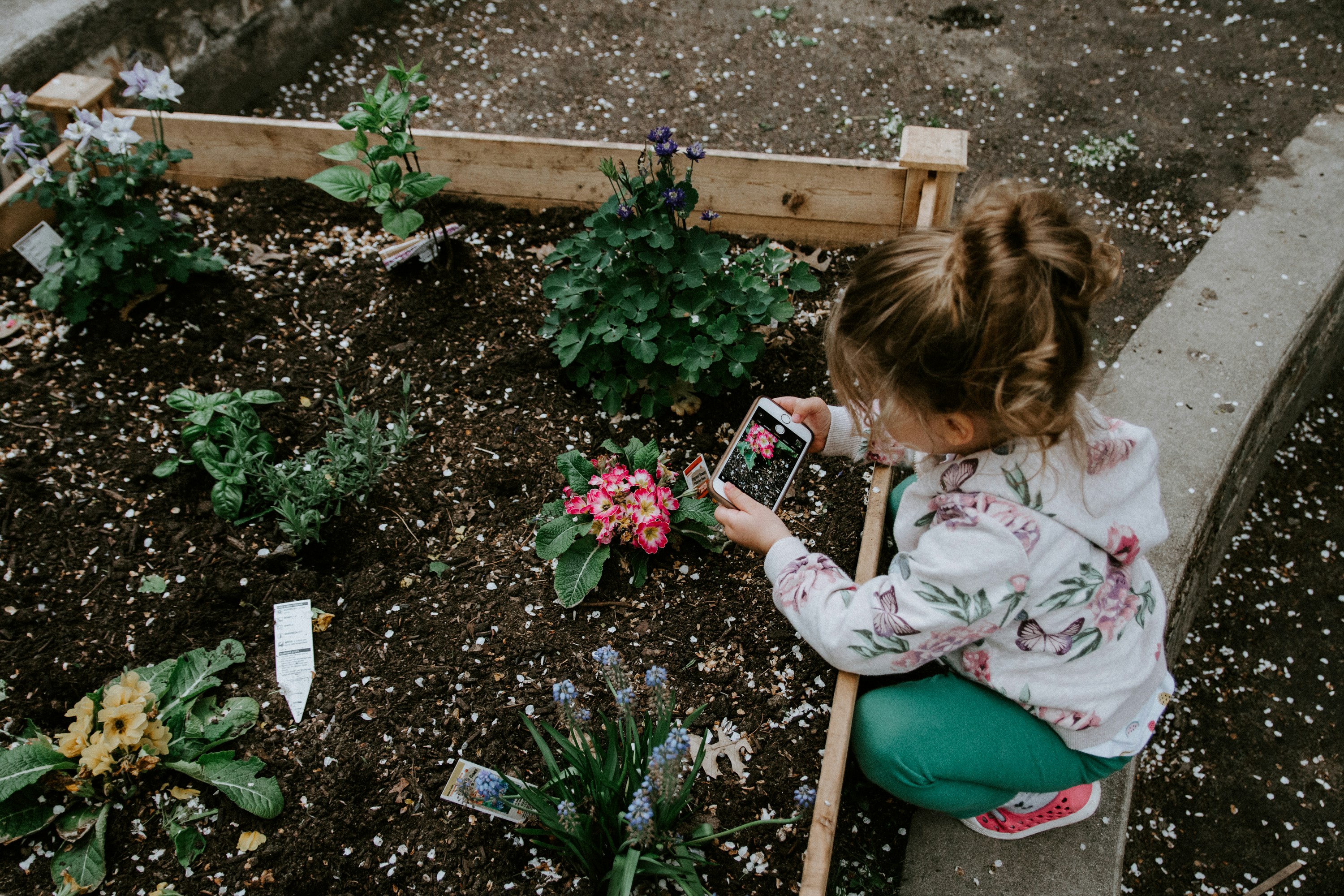
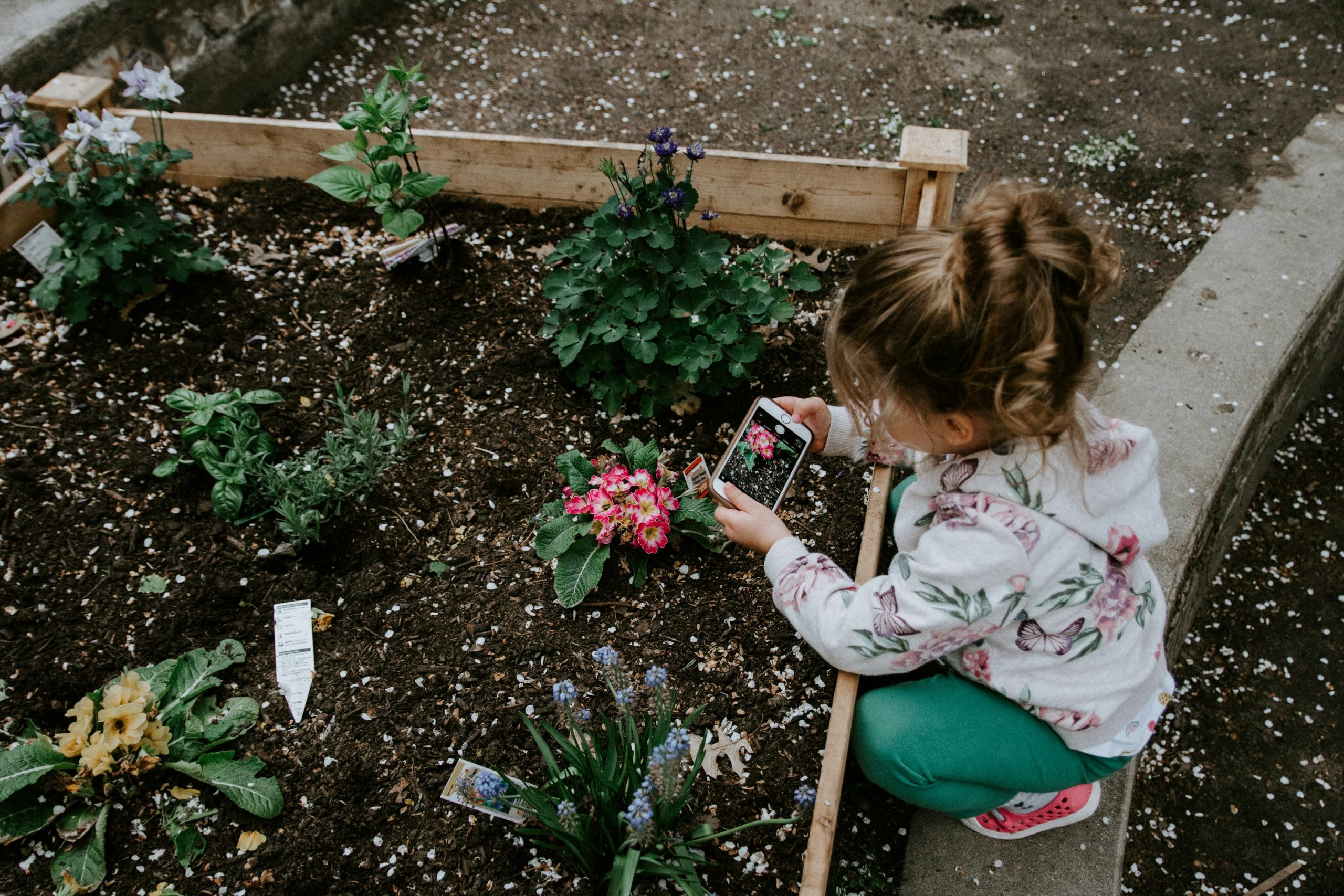
Before you dive into planting, take a moment to assess your space. A sunny spot is key to growing most plants, especially vegetables and flowers. Aim for a place that gets at least 6-8 hours of sunlight a day. If you’re working with a small space, like a balcony or porch, you can grow in containers or raised beds!

2. Select Easy-to-Grow Plants

As a beginner, it’s best to start with plants that are low-maintenance and forgiving. Here are a few options perfect for spring.

  • Vegetables: Lettuce, radishes, spinach, and peas are quick-growing and easy to manage.
  • Herbs: Basil, parsley, cilantro, and mint are ideal for beginners. They grow quickly and don’t require much attention.
  • Flowers: Sunflowers, zinnias, marigolds, and tulips are beautiful and easy to care for.
  • Perennials: Plants like lavender and hostas come back year after year, reducing the need to replant every season.

3. Prepare Your Soil

The key to a successful garden is healthy soil. If you’re starting from scratch, purchase a good-quality potting mix or garden soil. To improve the health of your soil, add compost or organic matter. This will help the soil retain moisture and provide essential nutrients to your plants. Test your soil to determine if it’s acidic or alkaline, and choose plants that will thrive in those conditions.

4. Plant at the Right Time

Timing is crucial in spring gardening. Check the frost dates for your region, as planting too early can expose your plants to frost, while waiting too long might limit your growing season. A simple online search or asking at your local garden center will help you figure out the best planting dates for your area.

5. Water Wisely

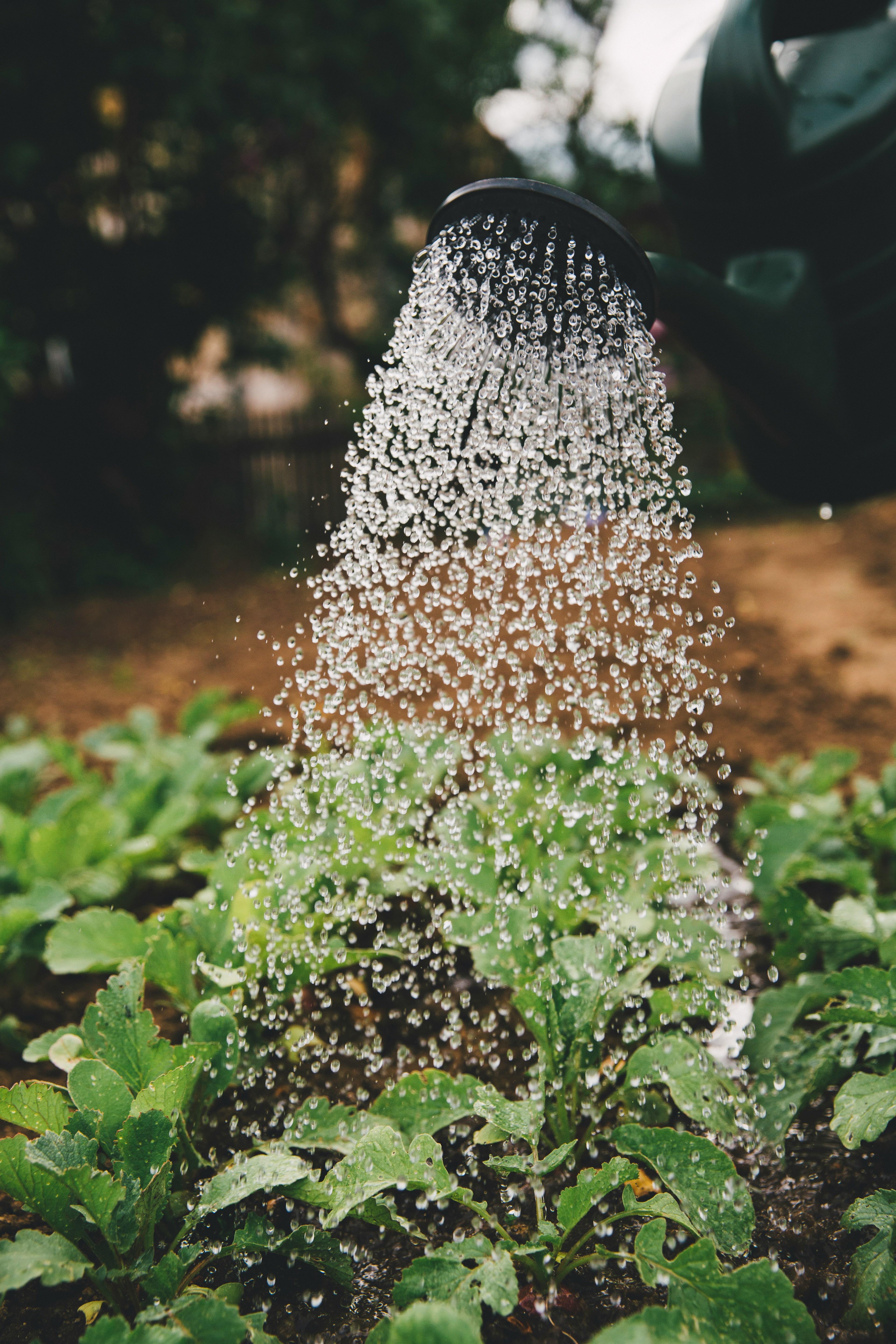
Plants need water to thrive, but too much or too little can be detrimental. It’s best to water your garden in the early morning or late afternoon to reduce evaporation. Water the soil, not the leaves, to help prevent diseases. Make sure your plants are getting the right amount of moisture by checking the soil regularly. If it feels dry an inch below the surface, it’s time to water.

6. Weed Regularly

Weeds compete with your plants for nutrients and sunlight, so it’s important to stay on top of them. Pull weeds by hand or use a small garden hoe to keep your garden beds clean. Weeding can be therapeutic, and keeping them in check will give your plants the space they need to grow strong and healthy.

7. Mulch for Moisture and Protection

Mulch is a wonderful tool for any garden, as it helps retain moisture, regulate soil temperature, and reduce weed growth. Use organic mulch like wood chips, straw, or grass clippings around your plants. Just be sure to leave a small gap around the base of your plants to prevent rot.

8. Keep an Eye on Pests

While gardening is all about nurturing plants, sometimes pests can sneak in and cause damage. Look out for bugs like aphids, caterpillars, and slugs. Many pests can be controlled naturally with insecticidal soap or by introducing beneficial insects, like ladybugs, into your garden.

9. Harvest Your Plants

The best part of gardening is enjoying the fruits (and veggies) of your labor! Harvest your vegetables when they are ripe—this will encourage your plants to produce even more. Flowers should be cut when they’re fully bloomed to bring inside or share with others.

10. Enjoy the Process!

Gardening isn’t just about the end result—it’s also about enjoying the process. Don’t stress over every detail. Learn from your mistakes, celebrate the little wins, and watch as your garden grows and flourishes. You’ll find that gardening can be incredibly rewarding and relaxing.


Tips for Success:

  • Start small: If you’re a beginner, it’s best to start with a small garden so you can learn and gain confidence.
  • Use raised beds or containers: These are easier to manage than traditional in-ground gardens.
  • Be patient: Plants take time to grow. Give them space to thrive and enjoy the process!


Gardening is a fun, fulfilling hobby that anyone can pick up, no matter their level of experience. By choosing the right plants, preparing your soil, and caring for your garden with a little patience, you’ll be on your way to creating a beautiful and thriving spring garden. So get your hands dirty, have fun, and enjoy the beauty of nature right outside your door!

Uncategorized April 7, 2025

How to Grow Your Own Spring Garden (with No Experience!)

Spring is the perfect time to start a garden. The weather is warming up, the days are getting longer, and there’s something magical about watching new life bloom in your backyard. If you’re a complete beginner, don’t worry! Growing your own spring garden is easier than you might think. Here’s a simple guide to help you get started with no experience required.


1. Choose the Right Location

Before you dive into planting, take a moment to assess your space. A sunny spot is key to growing most plants, especially vegetables and flowers. Aim for a place that gets at least 6-8 hours of sunlight a day. If you’re working with a small space, like a balcony or porch, you can grow in containers or raised beds!

2. Select Easy-to-Grow Plants

As a beginner, it’s best to start with plants that are low-maintenance and forgiving. Here are a few options perfect for spring.

  • Vegetables: Lettuce, radishes, spinach, and peas are quick-growing and easy to manage.
  • Herbs: Basil, parsley, cilantro, and mint are ideal for beginners. They grow quickly and don’t require much attention.
  • Flowers: Sunflowers, zinnias, marigolds, and tulips are beautiful and easy to care for.
  • Perennials: Plants like lavender and hostas come back year after year, reducing the need to replant every season.

3. Prepare Your Soil

The key to a successful garden is healthy soil. If you’re starting from scratch, purchase a good-quality potting mix or garden soil. To improve the health of your soil, add compost or organic matter. This will help the soil retain moisture and provide essential nutrients to your plants. Test your soil to determine if it’s acidic or alkaline, and choose plants that will thrive in those conditions.

4. Plant at the Right Time

Timing is crucial in spring gardening. Check the frost dates for your region, as planting too early can expose your plants to frost, while waiting too long might limit your growing season. A simple online search or asking at your local garden center will help you figure out the best planting dates for your area.

5. Water Wisely

Plants need water to thrive, but too much or too little can be detrimental. It’s best to water your garden in the early morning or late afternoon to reduce evaporation. Water the soil, not the leaves, to help prevent diseases. Make sure your plants are getting the right amount of moisture by checking the soil regularly. If it feels dry an inch below the surface, it’s time to water.

6. Weed Regularly

Weeds compete with your plants for nutrients and sunlight, so it’s important to stay on top of them. Pull weeds by hand or use a small garden hoe to keep your garden beds clean. Weeding can be therapeutic, and keeping them in check will give your plants the space they need to grow strong and healthy.

7. Mulch for Moisture and Protection

Mulch is a wonderful tool for any garden, as it helps retain moisture, regulate soil temperature, and reduce weed growth. Use organic mulch like wood chips, straw, or grass clippings around your plants. Just be sure to leave a small gap around the base of your plants to prevent rot.

8. Keep an Eye on Pests

While gardening is all about nurturing plants, sometimes pests can sneak in and cause damage. Look out for bugs like aphids, caterpillars, and slugs. Many pests can be controlled naturally with insecticidal soap or by introducing beneficial insects, like ladybugs, into your garden.

9. Harvest Your Plants

The best part of gardening is enjoying the fruits (and veggies) of your labor! Harvest your vegetables when they are ripe—this will encourage your plants to produce even more. Flowers should be cut when they’re fully bloomed to bring inside or share with others.

10. Enjoy the Process!

Gardening isn’t just about the end result—it’s also about enjoying the process. Don’t stress over every detail. Learn from your mistakes, celebrate the little wins, and watch as your garden grows and flourishes. You’ll find that gardening can be incredibly rewarding and relaxing.


Tips for Success:

  • Start small: If you’re a beginner, it’s best to start with a small garden so you can learn and gain confidence.
  • Use raised beds or containers: These are easier to manage than traditional in-ground gardens.
  • Be patient: Plants take time to grow. Give them space to thrive and enjoy the process!

Gardening is a fun, fulfilling hobby that anyone can pick up, no matter their level of experience. By choosing the right plants, preparing your soil, and caring for your garden with a little patience, you’ll be on your way to creating a beautiful and thriving spring garden. So get your hands dirty, have fun, and enjoy the beauty of nature right outside your door!

Uncategorized March 21, 2025

Where Is All the New Construction?

A Look at Home Building in the Seattle and Pacific Northwest Area

As the population in the Seattle and Pacific Northwest area continues to grow, the demand for housing has surged. Yet, many prospective homebuyers are wondering: where is all the new construction? Despite a strong need for more homes, builders face several challenges that have slowed the pace of construction. In this article, we’ll explore how many new homes were built in surrounding counties in 2023, the hurdles developers are facing, and what this means for the future of housing in the region.

1. How Many New Homes Were Built in 2023?

Data shows that while new construction did occur in 2023, it didn’t keep pace with the increasing demand. Below is a snapshot of the number of new homes built in several key counties in the Seattle metropolitan area and the broader Pacific Northwest.

  • King County: The largest county in the Seattle area saw approximately 7,500 new housing units completed in 2023, a slight increase from 2022. However, this is still well below the target needed to address the area’s housing shortage.
  • Snohomish County: Around 3,200 new homes were constructed in Snohomish County in 2023, continuing its steady growth as a popular suburban region for those commuting to Seattle.
  • Pierce County: In Pierce County, 2,900 new homes were built, a modest increase from 2022, reflecting continued development in suburban areas like Tacoma and Puyallup.
  • Kitsap County: On the west side of Puget Sound, 1,100 new homes were completed in 2023. Kitsap remains a smaller but growing market for those seeking more affordable options outside of Seattle.
  • Thurston County: Thurston County saw 850 new homes constructed, continuing to attract buyers seeking a quieter, more rural lifestyle while remaining within commuting distance to Olympia or Seattle.
  • Clark County (Vancouver area): Vancouver, WA, and its surrounding areas, had approximately 1,500 new homes completed, driven in part by the influx of people moving from Portland and Seattle.

Overall, while over 17,000 new homes were built across the major counties surrounding Seattle, this still falls short of meeting the projected housing demand, which is estimated to require closer to 25,000 new units annually in the greater Seattle area alone.

2. Challenges Builders Are Facing

Despite the strong demand for housing, several factors have made it difficult for builders to keep up with the pace of construction. These challenges include:

a. Rising Construction Costs

One of the biggest hurdles builders face is the rising cost of materials and labor. The price of key materials such as lumber, steel, and concrete has fluctuated significantly in recent years. Labor shortages in the construction industry, exacerbated by the pandemic and an aging workforce, have also driven up wages, making it more expensive to build new homes. In fact, the National Association of Home Builders (NAHB) reported that in 2023, the cost of building a new home had risen by nearly 20% compared to pre-pandemic levels.

b. Limited Availability of Land

In highly urbanized areas like Seattle, one of the most significant challenges is the limited availability of buildable land. Zoning restrictions and land use regulations in many cities have made it difficult to find suitable plots for large-scale development. Even in suburban and rural areas, builders often face challenges in acquiring land due to lengthy permitting processes and competing interests for agricultural or conservation use.

c. Lengthy Permit and Approval Processes

Regulatory barriers also play a key role in slowing down new construction. In the Seattle area, it can take years to secure the necessary permits and approvals for new developments. Environmental impact studies, local government approvals, and community opposition can all delay projects. This has led to a backlog of developments waiting to break ground.

d. Infrastructure and Utilities

As new communities are developed in suburban and rural areas, builders must also contend with the cost and logistics of expanding infrastructure such as roads, water systems, and electrical grids. In some cases, local governments may require developers to contribute to the cost of new infrastructure, further adding to the expense of building homes. Additionally, ensuring that new developments have access to broadband internet—a necessity for modern life—can also be a challenge, particularly in rural areas.

e. Skilled Labor Shortage

The construction industry has been grappling with a skilled labor shortage for several years, a problem that worsened during the pandemic. Many experienced workers have retired, and there hasn’t been enough new talent entering the industry to replace them. According to the Washington State Department of Labor & Industries, there were over 6,000 unfilled construction jobs in the state as of mid-2023. This shortage of labor has slowed down projects and contributed to delays in completing new housing developments.

3. The Impact on Homebuyers

The challenges facing new construction in the Pacific Northwest have a direct impact on homebuyers. With fewer new homes available, prices for existing homes continue to rise as demand outpaces supply. In 2023, the median home price in the Seattle metropolitan area rose by nearly 10%, largely driven by the lack of new inventory.

For buyers seeking newly constructed homes, the options are limited, and competition can be fierce. Many builders have long waiting lists, and some have even started offering homes through a lottery system. Additionally, the rising cost of construction has made new homes more expensive, pricing some buyers out of the market altogether.

4. Looking to the Future

While 2023 has presented significant challenges for homebuilders, there is hope on the horizon. Local governments in the Seattle area and surrounding counties are working to address some of these issues by revisiting zoning laws, streamlining the permitting process, and investing in infrastructure.

There has also been a push toward more innovative building techniques that could help speed up the construction process and reduce costs. Modular homes, for example, are becoming increasingly popular as a way to build homes more efficiently. Prefabricated components can be constructed off-site and assembled quickly, reducing labor costs and construction time.

Additionally, with ongoing conversations about improving access to vocational training and encouraging more young people to enter the trades, the labor shortage could eventually ease, allowing builders to take on more projects.

Conclusion

New construction in the Seattle and Pacific Northwest area is happening, but it’s not keeping pace with the growing demand. Builders are facing a host of challenges, from rising material costs to a shortage of skilled labor and regulatory hurdles. For homebuyers, this means fewer options and higher prices. However, with changes in zoning, more efficient building practices, and future infrastructure investments, there’s hope that the pace of new home construction will pick up in the coming years.

If you’re considering buying a newly built home, it’s important to be prepared for a competitive market and to stay informed about new developments in your desired area. Working with a knowledgeable real estate agent can help you navigate the process and find the best options available.

Uncategorized February 24, 2025

Top 5 Upgrades to Maximize Your Home’s Value in 2025

Maximizing your home’s value doesn’t have to break the bank.
As the real estate market evolves, buyers in 2025 are placing a premium on
certain features that align with modern lifestyles, sustainability, and
technology. Here are five cost-effective upgrades that can help your home stand
out and command top dollar.


1. Energy-Efficient Upgrades

Energy efficiency is more than just a buzzword—it’s a
priority for today’s environmentally conscious buyers. Simple upgrades can make
your home more appealing and save future owners money on utility bills.

  • Upgrade
    Windows and Insulation:
     Replacing old windows with energy-efficient
    models and adding proper insulation can improve your home’s energy performance
    and attract buyers seeking lower energy costs.
  • Install
    a Smart Thermostat:
     A relatively inexpensive upgrade, smart
    thermostats like Nest or Ecobee allow homeowners to control heating and
    cooling from their phones, adding convenience and efficiency.

2. Kitchen Modernization

The kitchen remains the heart of the home and a top focusfor buyers. You don’t need a full-scale renovation to make an impact—strategic


updates can go a long way.

  • Replace
    Cabinet Hardware and Fixtures:
     Swapping out outdated handles, knobs,
    and faucets for modern designs instantly refreshes the space.
  • Update
    Appliances:
     Energy-efficient stainless steel appliances are a big draw
    for buyers. Even replacing one or two older appliances can enhance the
    overall appeal.

3. Smart Home Features

Technology continues to play a major role in home-buying
decisions. Incorporating smart features can make your home feel more modern and
practical.

  • Smart
    Lighting:
     Install programmable or voice-controlled lighting systems
    that add convenience and energy savings.
  • Security
    Systems:
     A smart doorbell camera or an integrated home security system
    reassures buyers that the property is safe and secure.

4. Outdoor Enhancements

Curb appeal has always been important, but in 2025, outdoor
living spaces are taking center stage as buyers prioritize relaxation and
functionality.

  • Add
    a Patio or Deck:
     A modestly priced patio or deck extension can
    significantly boost your home’s value by creating additional usable space.
  • Improve
    Landscaping:
     Simple improvements like planting native, low-maintenance
    plants and adding outdoor lighting can make a big impact on first
    impressions.

5. Bathroom Refresh

Bathrooms are another high-value area where small upgrades
can yield significant returns.

  • Upgrade
    Fixtures and Lighting:
     Swap out old faucets, showerheads, and light
    fixtures for modern, stylish options.
  • Regrout
    or Replace Tiles:
     Fresh tiles or regrouting existing ones can give
    bathrooms a clean, updated look without requiring a full remodel.

Bonus Tip: Declutter and Stage

While not a permanent upgrade, decluttering and staging your
home can make a significant difference when it comes time to sell. Highlight
your home’s best features and create a sense of space and functionality that
buyers will love.


Investing in these cost-effective upgrades can make your
home more attractive to buyers and maximize your return when it’s time to sell.
Whether you’re planning to list your property soon or simply want to increase
its value, these improvements align with the priorities of today’s market

Uncategorized February 5, 2025

Top Dining Spots in Seattle for Valentine’s Day

Valentine’s Day is just around the corner, and if you’re looking to impress your special someone with a memorable evening, the perfect restaurant is key to setting the mood. Whether you’re planning an intimate dinner for two or a lively celebration with friends, choosing the right place can make all the difference. We’ve rounded up the best restaurants around the Seattle area that will elevate your Valentine’s Day experience.

Toulouse Petit

Toulouse Petit brings the lively flavors of New Orleans to Seattle. Nestled in Lower Queen Anne, it’s renowned for offering Seattle’s favorite happy hour, along with a menu filled with mouthwatering Cajun and Creole dishes. Its candlelit interior and standout cocktail selection create the perfect atmosphere for a romantic evening.

The Pink Door

This Pike Place hotspot features a classic, Italian-American menu and a lively atmosphere enhanced by friendly, attentive staff. Guests can enjoy unique entertainment, including trapeze, cabaret, live music, and tarot readings. Whether seated in the cozy dining room, relaxing in the lounge, or enjoying the stunning view of Elliott Bay from the outdoor deck, The Pink Door’s romantic ambiance and playful entertainment make it an ideal setting for a memorable meal.

Six Seven Restaurant

Located on Pier 67 in the Edgewater Hotel, this award-winning restaurant offers seasonally inspired seafood dishes made with the freshest organic ingredients. Their wine list showcases top selections from the finest wineries in Washington, Oregon, and Northern California.

Asadero

With locations in both Ballard and Kent, Asadero is described as “a true meat-lover’s paradise”. Offering 100% All Natural Certified Prime Beef and Wagyu Carne Asada, it’s known as the best Mexican Steakhouse in Seattle. Their cozy, welcoming atmosphere paired with friendly, knowledgeable service delivers an unforgettable dining experience.

2120

Located in the heart of downtown Seattle, 2120 blends urban sophistication with a welcoming atmosphere. Offering an evolving New American menu focused on fresh, local ingredients, this restaurant celebrates the best of the Pacific Northwest with a thoughtfully curated wine list and creative cocktails. Just a stroll away from the Space Needle and top city hotels, 2120 makes for an excellent Valentine’s Day choice.

Le Coin

Le Coin is a contemporary French-American restaurant located in Seattle’s Upper Fremont neighborhood within the iconic Buckaroo Tavern space. They take pride in serving the freshest seafood, meats, and game from the Northwest, alongside locally sourced produce from sustainable farms. Their beautiful, vibrant dishes and top-notch service are sure to impress.

Cascina Spinasse

What’s more romantic than an Italian dining experience? Cascina Spinasse presents award-winning cuisine of Northern Italy and renowned house made pasta. Their intimate dining room and “simple but incredible” dishes make for a charming evening.


Each of these Seattle gems offers a unique and unforgettable setting for your Valentine’s Day celebration. Whether you’re in the mood for cozy romance, vibrant entertainment, or exquisite cuisine, you’re sure to find the perfect spot to create lasting memories.

Uncategorized January 27, 2025

A Look at National and Western Washington Markets

Eastern Washington of Washington State. Travel Guide

The real estate market has seen dynamic shifts over the past year, both nationally and locally. In Western Washington, the trends provide a snapshot of an active market with unique challenges and opportunities for buyers and sellers alike. At CENTURY 21 Real Estate Center, we’re committed to helping consumers navigate these trends with confidence and strategy.

National Real Estate Overview:

  •   Home Sales: Nationally, existing-home sales showed a slight decline year-over-year, reflecting limited inventory and rising interest rates. However, demand remains steady, especially in metropolitan areas.
  •   Appreciation Rates: Home values appreciated by an average of 6% nationwide, continuing a trend of moderate growth compared to the rapid increases seen during the pandemic years.
  •   Market Dynamics: Buyers are becoming more selective, with many favoring homes that are move-in ready or feature energy-efficient upgrades.

Western Washington Market Trends:

  • Home Sales: Western Washington saw a steady flow of transactions, especially in urban centers like Seattle and Tacoma, while suburban and rural areas experienced a slight dip in activity due to affordability concerns.
  • New Listings: The number of new listings remained constrained, with many potential sellers hesitant to list due to higher mortgage rates on their next purchase. This created a competitive environment for available homes.
  • Days on Market: Properties moved quickly, with a median of 15 days on market in many areas. Well-priced homes in desirable locations often sold within a week, while others took slightly longer due to buyer caution.
  • Appreciation Rates: Home prices in Western Washington appreciated at an average rate of 7%, slightly outpacing the national average, driven by strong demand and limited supply.
  • Offer Trends: Roughly 65% of transactions closed above list price, highlighting ongoing competition in certain price points, while 25% of sales came in below list price, showing room for negotiation in less competitive markets.

What This Means for Consumers:

  • For Buyers: The Western Washington market is competitive but not impossible. Buyers need to act quickly and have financing pre-approved to stand out in multiple-offer situations. Properties selling below list price indicate opportunities in specific segments, especially for those willing to compromise on amenities or location.
  • For Sellers: Sellers continue to have an edge but must be strategic. Proper pricing is critical to attract multiple offers and achieve favorable terms. Homes with upgrades and energy-efficient features are in especially high demand.

How We Can Help:

At CENTURY 21 Real Estate Center, we provide the expertise and tools to help buyers and sellers succeed in this dynamic market.

  • For Buyers: We offer market insights, negotiation expertise, and access to off-market properties to help you secure the best deal.
  • For Sellers: We develop tailored marketing strategies, price homes competitively, and provide staging advice to maximize your home’s value.
  • For All Clients: Whether buying or selling, we’ll guide you through every step, leveraging our extensive network and market knowledge to ensure a seamless transaction.

Navigating today’s real estate market requires local expertise and a strategic approach. With the trends favoring both cautious buyers and prepared sellers, our team is ready to help you make the most of your opportunities. Contact CENTURY 21 Real Estate Center today to learn how we can work together to achieve your real estate goals.

Uncategorized January 19, 2025

Want to Buy Land and Build

Evergreen forest viewed from above on Vancouver Island

I  WANT TO BUY LAND AND BUILD

10 Things You Need to Consider First in the Pacific Northwest:

Buying land and building your dream home is a tempting idea, especially in the picturesque Pacific Northwest (PNW). With its stunning landscapes—from coastal shores to evergreen forests—the region offers a unique opportunity for those looking to create a custom home surrounded by nature. However, building from the ground up comes with its own set of challenges, particularly in the PNW, where climate, land availability, and regulations play significant roles. Before you jump in, here are 10 essential things to consider before buying land and building your home in the Pacific Northwest.

1. Zoning and Permits

Before purchasing any land, the first step is to understand the zoning laws and regulations of the area. Zoning dictates how you can use the land—whether it’s for residential, agricultural, or commercial purposes—and can also restrict building size, height, and type. In the PNW, zoning laws can be particularly strict, especially in rural or environmentally sensitive areas.

Additionally, permits are a significant part of the process. Building permits, septic system permits, and land-use permits are just a few examples of what you may need. The permitting process in some parts of the PNW can be time-consuming, so it’s essential to account for potential delays.

2. Access to Utilities and Infrastructure

One of the biggest challenges when building in rural areas of the Pacific Northwest is ensuring access to utilities. Many rural plots may not be connected to essential services like water, electricity, or natural gas. You’ll need to factor in the costs of bringing utilities to your site, which can add a significant amount to your budget.

  • Water: If the property doesn’t have access to municipal water, you may need to drill a well. In some parts of the PNW, this can be costly and time-consuming, with strict regulations on water rights and usage.
  • Septic Systems: In rural areas without access to a sewer system, you’ll need to install a septic system. The type of soil and the size of the lot can impact the type and cost of the system.
  • Electricity and Internet: Check if the land has access to the grid or if you’ll need alternative sources like solar power. For remote locations, internet access can also be limited, so you may need to explore satellite internet options.

3. Topography and Land Condition

The Pacific Northwest is known for its varied topography, from steep hillsides to flat plains. When selecting a piece of land, you need to consider the shape and condition of the property.

  • Slope: Steep slopes may offer great views but can present challenges in terms of construction. Grading, excavation, and erosion control measures can add to the overall cost of building. Also, keep in mind that landslides can be a concern in hilly areas, especially during the rainy season.
  • Soil Quality: The type of soil on your land can affect both the cost and feasibility of construction. Certain soils, such as clay-heavy or sandy soils, may require more advanced (and expensive) foundation work. Hiring a geotechnical engineer to conduct a soil test is a wise move before making any decisions.
  • Wetlands and Flood Zones: The PNW is home to many wetlands and areas that are prone to flooding. If your land is located in a flood zone or near wetlands, you’ll need to take extra precautions, including obtaining special permits and possibly purchasing flood insurance. Building in these areas can also require more expensive drainage solutions.

4. Climate and Weather Considerations

The Pacific Northwest is famous for its wet climate, especially during the winter months. Rain, snow, and even the occasional windstorm can impact your building plans and the long-term durability of your home.

  • Rain and Moisture: The persistent moisture in the PNW means you need to choose building materials that are resistant to mold, rot, and water damage. Siding materials like fiber cement and metal roofing are popular choices for this reason.
  • Seismic Activity: Washington and Oregon are located in a seismically active area. If you’re building in the PNW, you need to consider earthquake preparedness. Make sure your home is built to withstand seismic events by following local building codes and working with an engineer to design earthquake-resistant foundations.
  • Wind Exposure: Some parts of the PNW, particularly coastal areas, can experience strong winds. If you’re building in these areas, it’s essential to use wind-resistant designs and materials to ensure your home can withstand storms.

5. Cost and Financing

Building a home in the PNW can be more expensive than you might initially think. Land prices vary greatly depending on the proximity to urban centers like Seattle, Portland, or Tacoma, and the cost of building materials has been on the rise in recent years. Additionally, rural or remote land often requires more extensive site preparation, such as clearing trees or grading land.

Financing can also be a bit more complicated for land purchases. While you can get a traditional mortgage for a home, land loans often come with higher interest rates and shorter terms. Some lenders may require a larger down payment, and construction loans will be needed to cover the cost of building your home. It’s important to work with a lender who has experience with land and construction financing in the PNW.

6. Environmental Impact and Sustainability

The Pacific Northwest is known for its environmental consciousness, and there may be specific environmental regulations or requirements you’ll need to follow. This is especially true if you’re building near forests, wetlands, or other protected areas.

Consider the sustainability of your home. Many people in the PNW prioritize energy-efficient homes, so it’s worth investing in features like solar panels, high-efficiency windows, and proper insulation. Green building practices are becoming more common in the region, and many builders offer eco-friendly options that align with the values of PNW residents.

Conclusion

Building your dream home in the Pacific Northwest is an exciting adventure, but it comes with unique challenges that require careful planning and consideration. From zoning laws and access to utilities to dealing with the region’s climate and environmental regulations, there are many factors to keep in mind. By thoroughly researching your options and working with experienced local professionals, you can build a home that fits your vision and withstands the demands of life in the PNW.